Workplace vibration is a serious occupational hazard that affects thousands of workers across industries such as construction, mining, manufacturing, forestry, and transport. It occurs when employees are exposed to mechanical oscillations transmitted through power tools, machinery, or vehicles. These vibrations can be classified into two main types:
Hand-Arm Vibration (HAV): Caused by handheld tools such as grinders, drills, chainsaws, and jackhammers.
Whole-Body Vibration (WBV): Experienced by operators of heavy vehicles, earth-moving equipment, and industrial machinery.
While vibration may seem like a minor inconvenience, prolonged exposure can have profound effects on both the body and mind.
Effects on the Human Body
Hand-Arm Vibration Syndrome (HAVS):
HAVS is a progressive condition resulting from long-term use of vibrating tools.
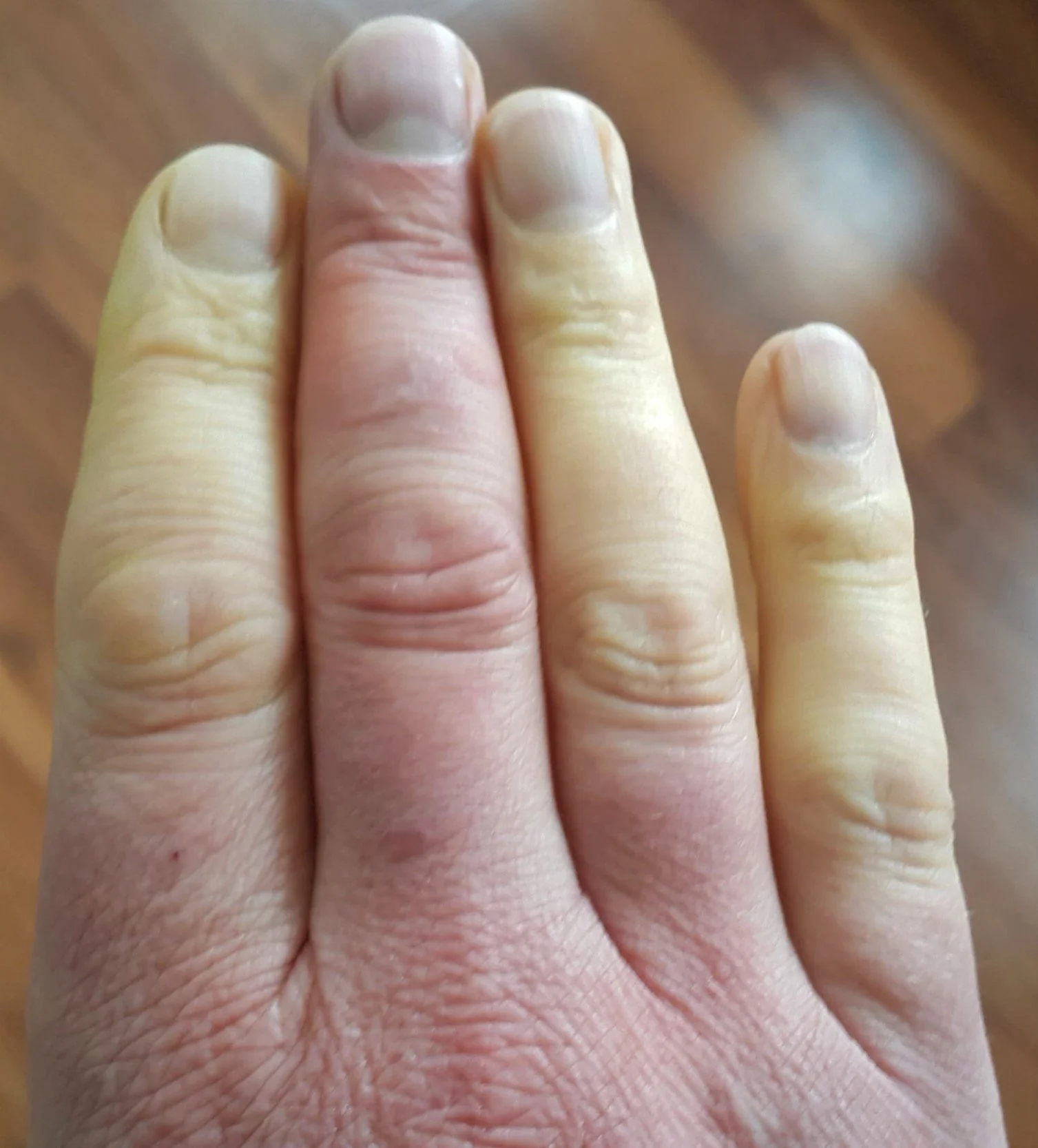
Symptoms include tingling, numbness, reduced grip strength, and episodes where fingers turn white due to restricted blood flow within the fingers and hands— often referred to as Vibration White Finger.
Over time, HAVS can cause permanent damage to blood vessels, nerves, muscles, and joints, leading to disability and loss of dexterity.
Research indicates that females are 40–50% more susceptible to workplace vibration injuries compared to males.
Whole-Body Vibration (WBV):
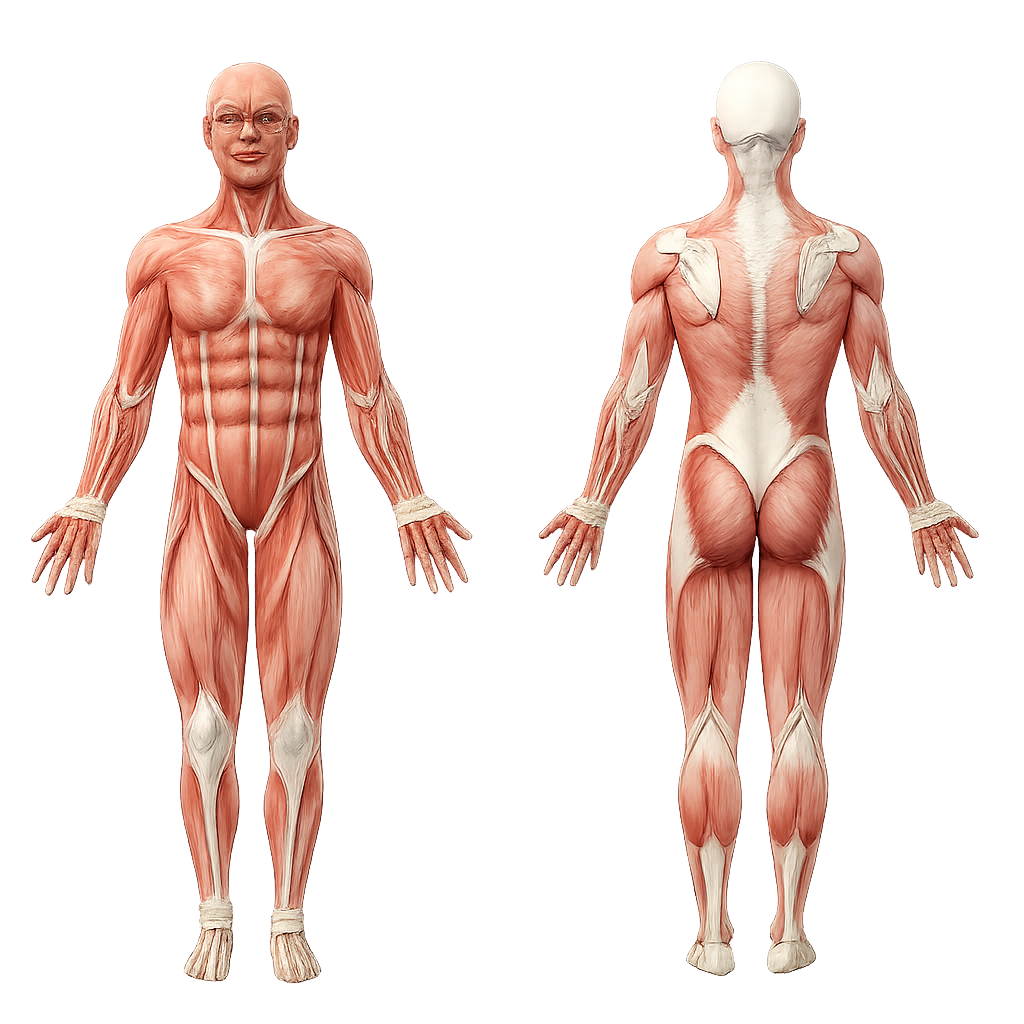
WBV is linked to musculoskeletal disorders, particularly in the toes, feet, knees, neck, lower back pain and spinal degeneration.
Continuous exposure can accelerate wear and tear on the spine, increase fatigue, and impair balance.
Drivers and machine operators often report chronic discomfort, stiffness, and reduced mobility.
Effects on the Mind:
The impact of vibration is not limited to physical health.
Fatigue and Stress: Constant exposure to vibration increases physical strain, leading to mental fatigue and irritability.
Reduced Concentration: Workers exposed to WBV often experience difficulty focusing, slower reaction times, and impaired decision-making.
Psychological Burden: Chronic pain and loss of body function from either HAVS or WBV can contribute to anxiety, depression, and reduced quality of life.
Why Monitoring Matters:
Unlike noise or chemical hazards, vibration is invisible and often underestimated. Employers have a duty of care to identify, assess, and control vibration risks. At the same time, employees share a responsibility to protect themselves by reporting any issues. Monitoring exposure levels provides:
Audit-ready evidence for compliance with health and safety laws.
Early detection of harmful exposure before permanent damage occurs.
Worker protection, ensuring long-term health and productivity.
Protecting Workers
Effective risk management includes:
Using low-vibration tools and maintaining equipment.
Rotating tasks to reduce exposure time.
Providing training on safe tool use.
Implementing monitoring systems that track exposure in real time.
The True Cost of Vibration Harm
Workplace vibration injuries are not just statistics — they are lost hands, broken backs, and lives changed forever. The damage is often invisible until it’s irreversible. A worker who loses grip strength may lose their job. One who suffers chronic spinal pain may lose their mobility. And one who develops HAVS may never feel their child’s hand again.
These are not distant risks. They are happening now — in workshops, on sites, behind the wheel of vibrating machinery. And they are preventable.
So ask yourself: Is the cost of harm truly worth it?
The cost of ignoring vibration is measured in pain, lost productivity, compensation claims, and shattered futures.
The cost of prevention is measured in awareness, monitoring, and responsible action.
With the right tools, the right data, and the right commitment, you can protect your workforce, meet your legal obligations, and lead with integrity.
Choose to act before harm becomes permanent. Choose to monitor before damage becomes invisible. Choose to care — because the cost of harm is never worth it.